Morning anchors
Light exposure, hydration, and a protein-inclusive breakfast within two hours of waking are commonly suggested habits that many adults use to start the day steadily.

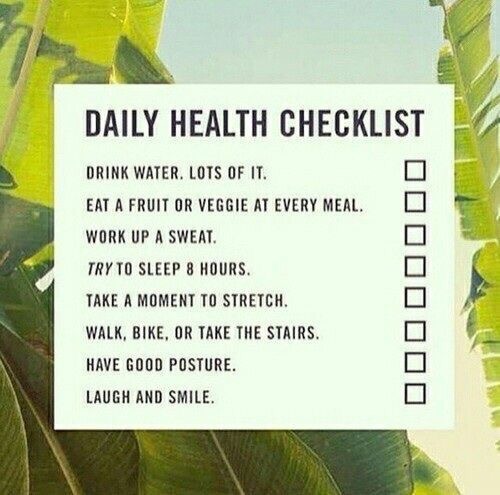
Small, repeatable habits—sleep windows, water intake, gentle movement, and mood notes—may help you notice patterns when tracked honestly. Our free guides suit New Zealand routines: early light, active commutes, and seasonal shifts. They are conversation starters you can discuss with your GP if you wish—not substitutes for professional care. Individual results vary.

Washaivibrant.ddd is a New Zealand-based educational website. We publish free checklist content only—we are not a medical clinic and we do not sell supplements, programmes with guaranteed outcomes, or telehealth appointments through these pages.
Behavioural research on habit formation suggests that cues, repetition, and feedback loops matter more than motivation spikes. A checklist turns vague intentions—“sleep better,” “move more”—into observable actions you can tick off without judgement. When you log the same five to eight items for two weeks, patterns emerge: you might notice that screens after 9 p.m. correlate with lighter sleep, or that a ten-minute walk before lunch lifts afternoon focus.
For New Zealand adults, practical anchors include aligning wake time with natural light where possible, drinking water before coffee, and scheduling movement around school runs or remote work blocks. None of this replaces clinical assessment; it simply gives you structured data to discuss if you choose to see a health professional. Start with three non-negotiables and expand only when those feel automatic.
Light exposure, hydration, and a protein-inclusive breakfast within two hours of waking are commonly suggested habits that many adults use to start the day steadily.
Dim lights, screen curfew, and a fixed bedtime window help your brain associate the bedroom with rest rather than work.
Spend ten minutes each Sunday noting which habits held and which slipped—adjust one variable at a time.
Individual needs vary by age, activity, and health history. The table below summarises commonly cited public-health reference points for generally healthy adults in New Zealand. Always interpret numbers in context and confirm personal targets with a registered practitioner.
| Indicator | How to measure | General reference |
|---|---|---|
| Sleep duration | Bed/wake log or wearable | 7–9 hours for most adults |
| Hydration | Fluid intake + urine colour | ~2–2.5 L fluids/day (more if active/heat) |
| Steps / movement | Phone, watch, or diary | 7,000–10,000 steps or 150 min moderate activity/week |
| Resting heart rate | Morning pulse (seated) | Often 60–100 bpm; athletes may be lower |
| Mood / stress | 1–5 scale in journal | Trend over time matters more than single days |

Many men prefer short, action-oriented lists tied to fixed times. Below is a starter template you can copy into a notebook or notes app. Tick items without scoring yourself—consistency beats perfection.
Women's energy and recovery needs can shift across the menstrual cycle, caregiving load, and work patterns. A flexible checklist respects low-energy days with restorative options instead of pushing the same intensity every day.
Research on female athletes and general populations highlights that under-fuelling and poor sleep amplify fatigue—tracking food timing alongside movement helps you adjust kindly. Read the women's guide for detailed blocks and FAQs.
Our content supports everyday lifestyle literacy. Use these guidelines when applying checklists at home or work.
For medical emergencies in New Zealand call 111. For mental distress call or text 1737.
Stop activity if you feel chest pain, dizziness, or sharp joint pain. Seek assessment rather than pushing through.
Slip, slop, slap and wrap between 10 a.m. and 4 p.m. Increase fluids in summer and during outdoor sport.
Store paper logs securely; if you use apps, review their privacy policies under the Privacy Act 2020.
Join informal walk-and-talk sessions and checklist workshops in Whangārei. All events are educational; attendance does not imply clinical care.
45-minute group walk plus paper checklist demo. Bring water and sun protection.
Indoor session on bedroom setup and evening routines. No devices required.
Learn to pair movement intensity with energy logs. General education only.
Stretching, breathing, and weekly review templates. Suitable for beginners.
No. We provide general lifestyle education only. Always consult a registered health professional for personal medical decisions. In an emergency call 111; for mental health support call or text 1737 (New Zealand).
No. Core checklist content is free. We do not sell medicines, supplements, or clinical services on this Site. Optional local events are educational unless we state a separate fee in writing.
Many people find logging useful after two to three weeks of consistency. Trends matter more than single days. Outcomes differ from person to person—we make no guarantees.
No. Paper works well. If you use apps, review their privacy policies under the Privacy Act 2020. Consumer wearables estimate data—they are not clinical devices.
Yes. Anchor habits to shift start rather than clock time: hydration on wake, light exposure when safe, and a pre-sleep ritual before day sleep.
Many people bring four weeks of sleep, activity, and mood notes to appointments. Your clinician interprets them as part of their own assessment—we do not review your logs remotely.
Washaivibrant.ddd is run from Whangārei, New Zealand. See our About page for editorial standards, what we do not offer, and full contact details.
This Site is published for adults in Aotearoa seeking everyday habit ideas. We comply with applicable New Zealand law including the Privacy Act 2020, Fair Trading Act 1986, and Consumer Guarantees Act 1993 where it applies to any paid services we may offer. We do not advertise regulated therapeutic products or make outcome guarantees in our own content.
Online advertising (including Google Ads) may link to these pages. Ad copy and landing page content must align: educational checklists only, no implied medical treatment. Read our Privacy Policy, Cookie Policy, and Terms of Use for full details.
Pick one morning, one daytime, and one evening item. Review on Sunday. Expand only when those feel natural.
Start With Daily Checklists Contact Us